

Articles
September 17, 2026
AI can search the web. It still can’t see everything.

# Agency
# Citations
# Sources
# Web search
How to get more reliable AI research output.
Introduction
AI is changing the way we work. Particularly, search-enabled AI has changed how we find information. Instead of opening ten tabs, comparing articles, and assembling an answer ourselves, tools like ChatGPT, Claude, Copilot, and Gemini can search, synthesize, and cite information in seconds. This is a powerful use of AI to save human time. However, these systems can only work from the sources they can access, so their results may be incomplete or leave out important information and perspectives. This article explores why these limitations in AI-powered search exist and the best practices they point to for more informed use.
AI web search is a window into the web, not the entire web
Websites can control how automated crawlers interact with their content through mechanisms such as `robots.txt.` A 2026 study examining more than 4,000 news websites found that 60% of reputable news sites with a robots.txt file blocked at least one AI crawler, compared with 9.1% of sites classified as misinformation. The researchers also found that reputable sites were far more likely to restrict crawlers such as GPTBot, CCBot, ClaudeBot, ChatGPT-User, and Google-Extended. Therefore, since different parts of the web are not equally accessible to automated systems, when browsing is enabled, AI is retrieving from the portion of the web its search and browsing systems can access and surface.
Citations are helpful, but don’t stop there
Thankfully, AI platforms now feature visible sourcing.
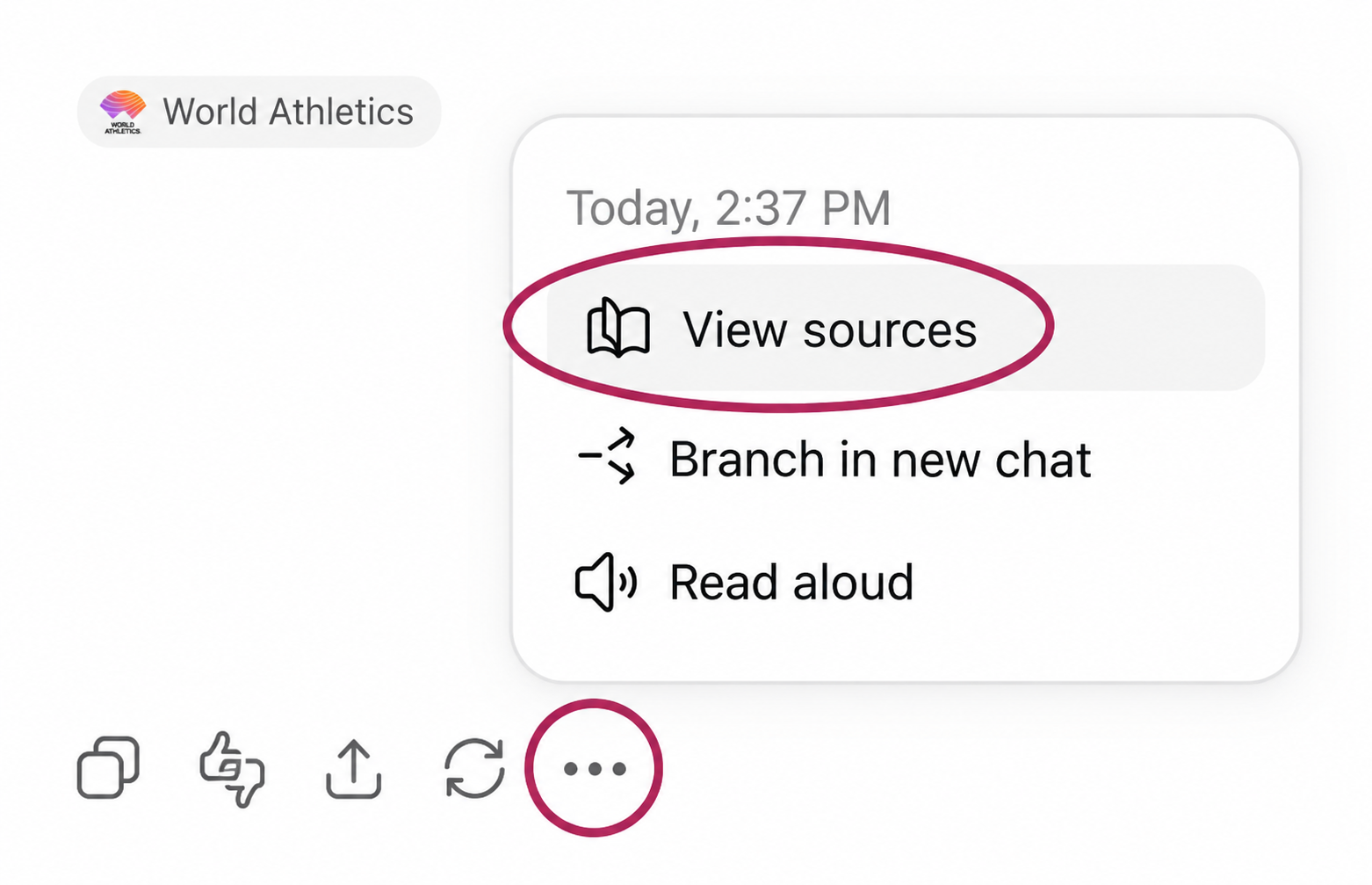
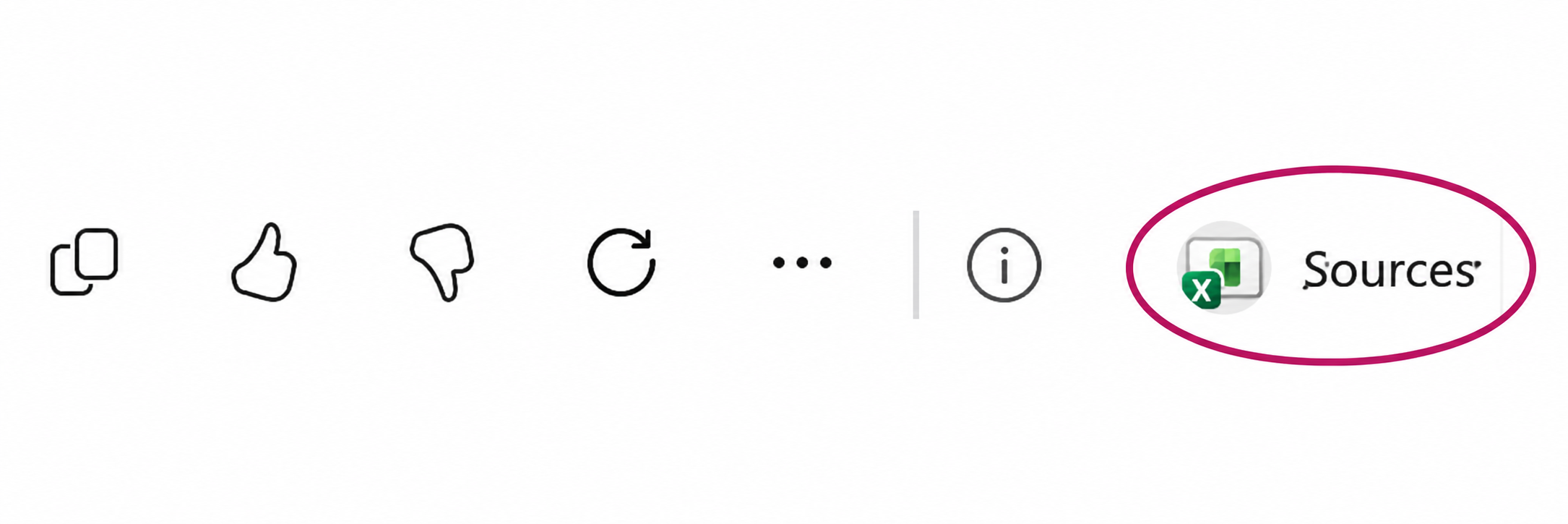
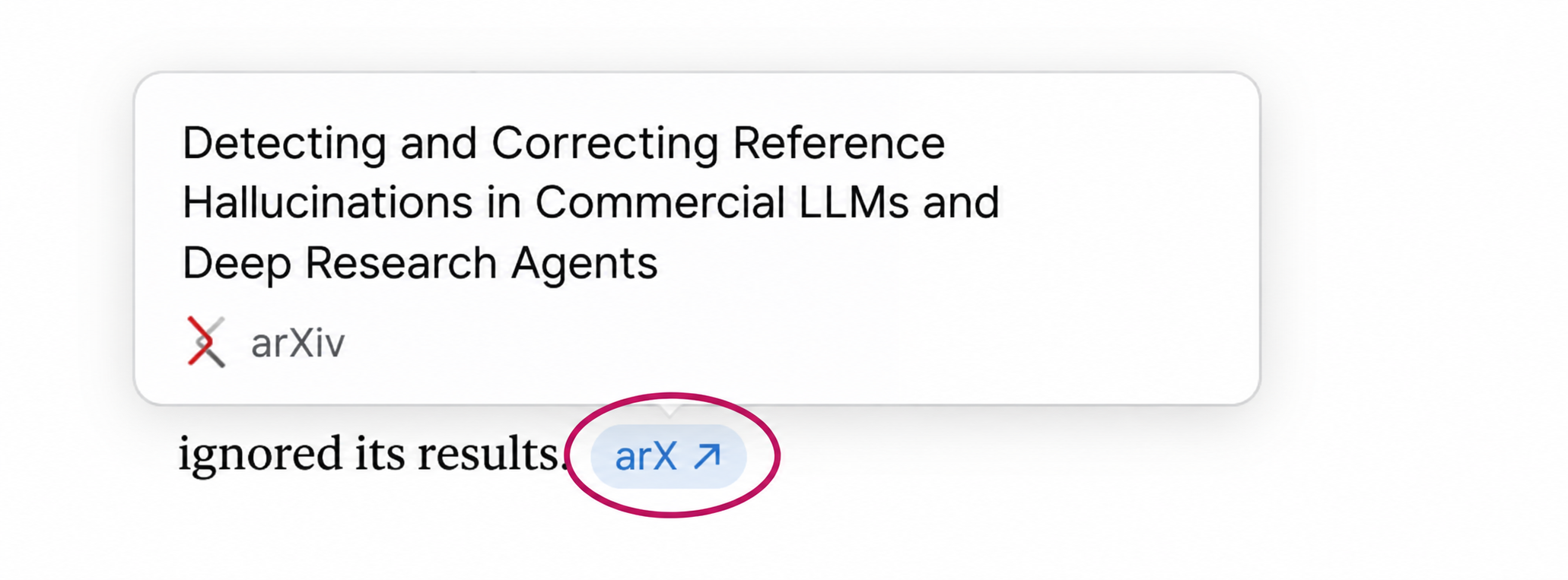
That makes verification easier. But, a citation should be treated as a path to evidence, not evidence by itself.
Another 2026 study audited citations produced by ChatGPT, Copilot, Gemini, and Perplexity across 712 real-world queries. Researchers identified more than 26,000 unique cited URLs. Of the cited pages they were able to analyze, approximately 16% showed evidence of being AI-generated. That finding does not mean AI-generated content is automatically inaccurate, but it does reinforce an important habit: Do not evaluate an answer by the presence of citations. Read all the sources behind them and evaluate their reliability.
The human part: how to get more reliable AI research output
That brings us to the human part. Beyond reading and evaluating the final answer, you can improve the quality of AI research through the way you prompt. Give the model clearer expectations for what counts as a strong source, how it should show its evidence, and where it should be skeptical of its own conclusions.
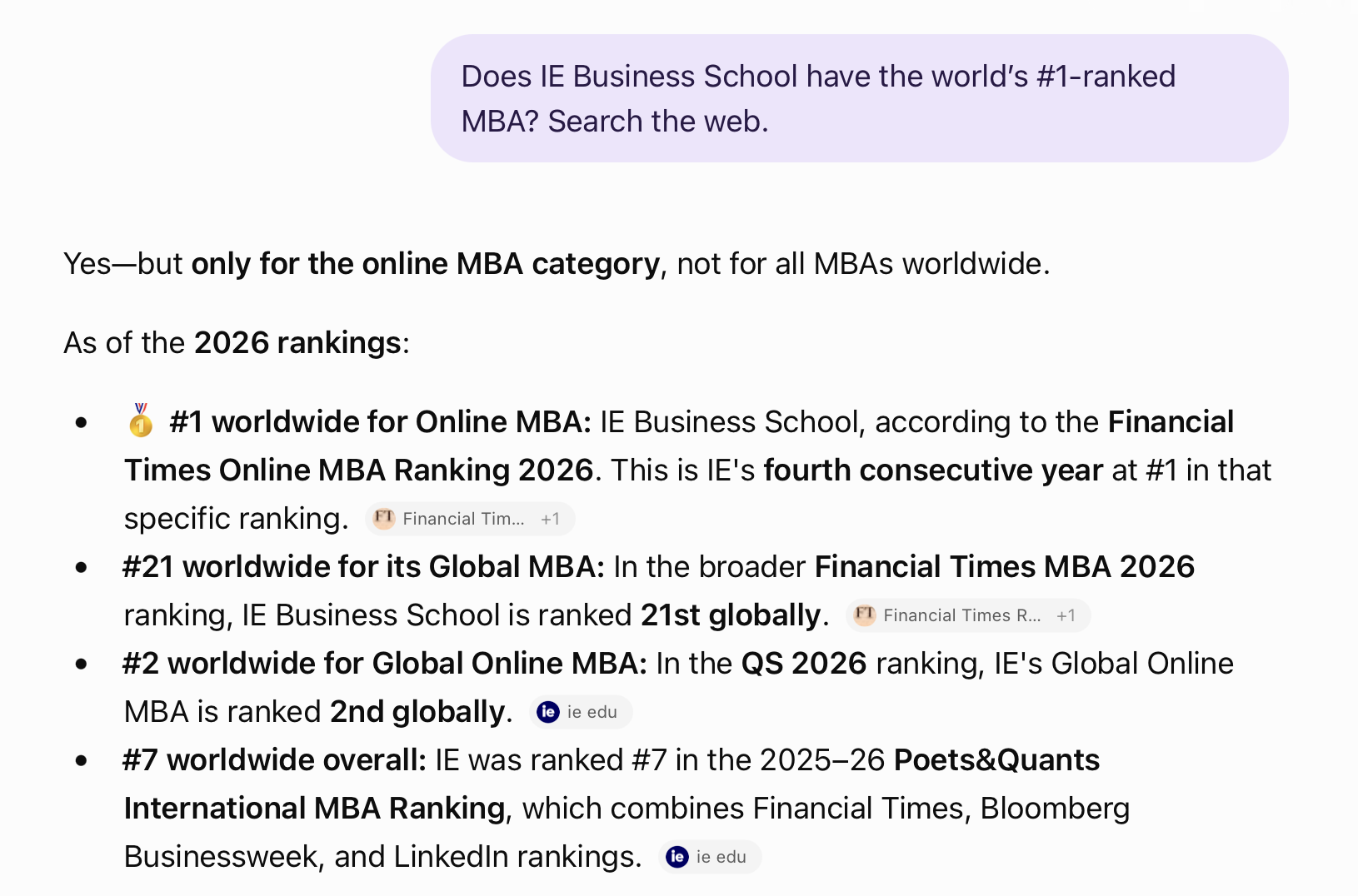
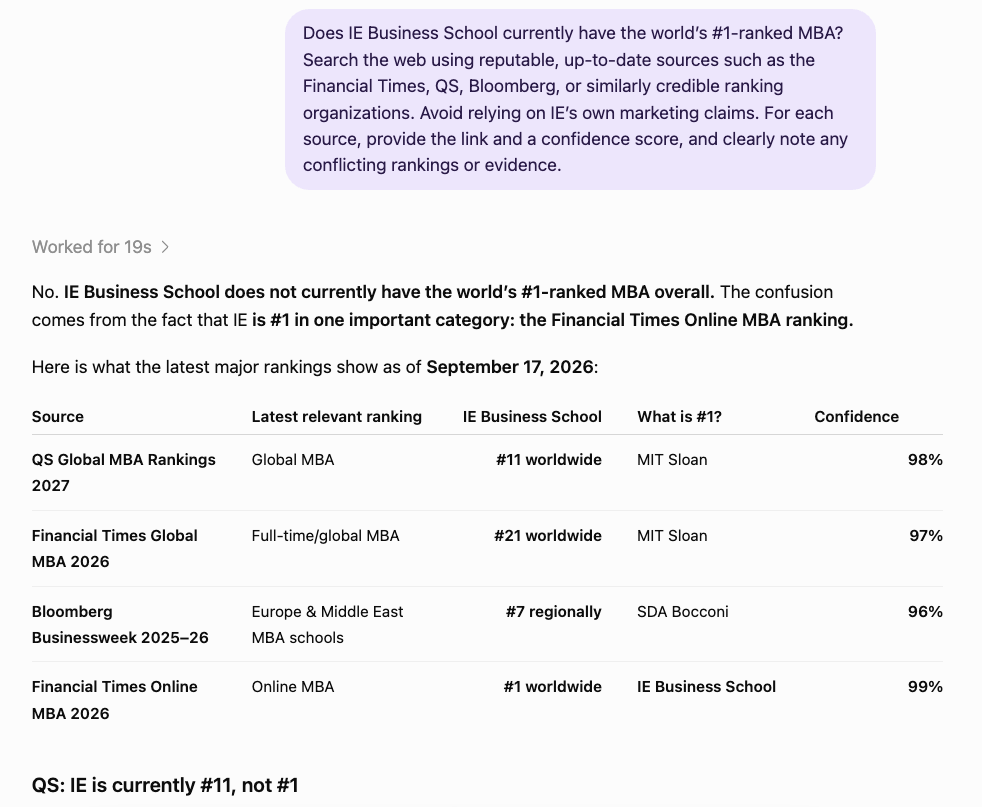
A few useful practices: ask it to prioritize specific reputable sources, require a link and confidence score for each source, and tell it to avoid relying on a company’s own claims when independent verification is available. Then push back when something feels off. A simple follow-up like, “Are you sure? Those sources don’t actually say that,” can force the model to re-check its reasoning instead of carrying a weak claim forward.
See the screenshots below for an example of how a more specific research prompt can improve source selection, evidence, and the final conclusion.
Why this matters
As AI takes on more of the searching, comparing, and synthesizing behind research, people need a stronger understanding of how that process works. The value of AI literacy is the ability to direct that process well, understand its limits, and make informed decisions about the information it produces.
Comments (0)
Popular

Dive in